
Now Reading: The Last Monolingual Cherokee Dies at 88, Marking the End of a Cultural Era
-
01
The Last Monolingual Cherokee Dies at 88, Marking the End of a Cultural Era
The Last Monolingual Cherokee Dies at 88, Marking the End of a Cultural Era

A Life Rooted in Language and Tradition
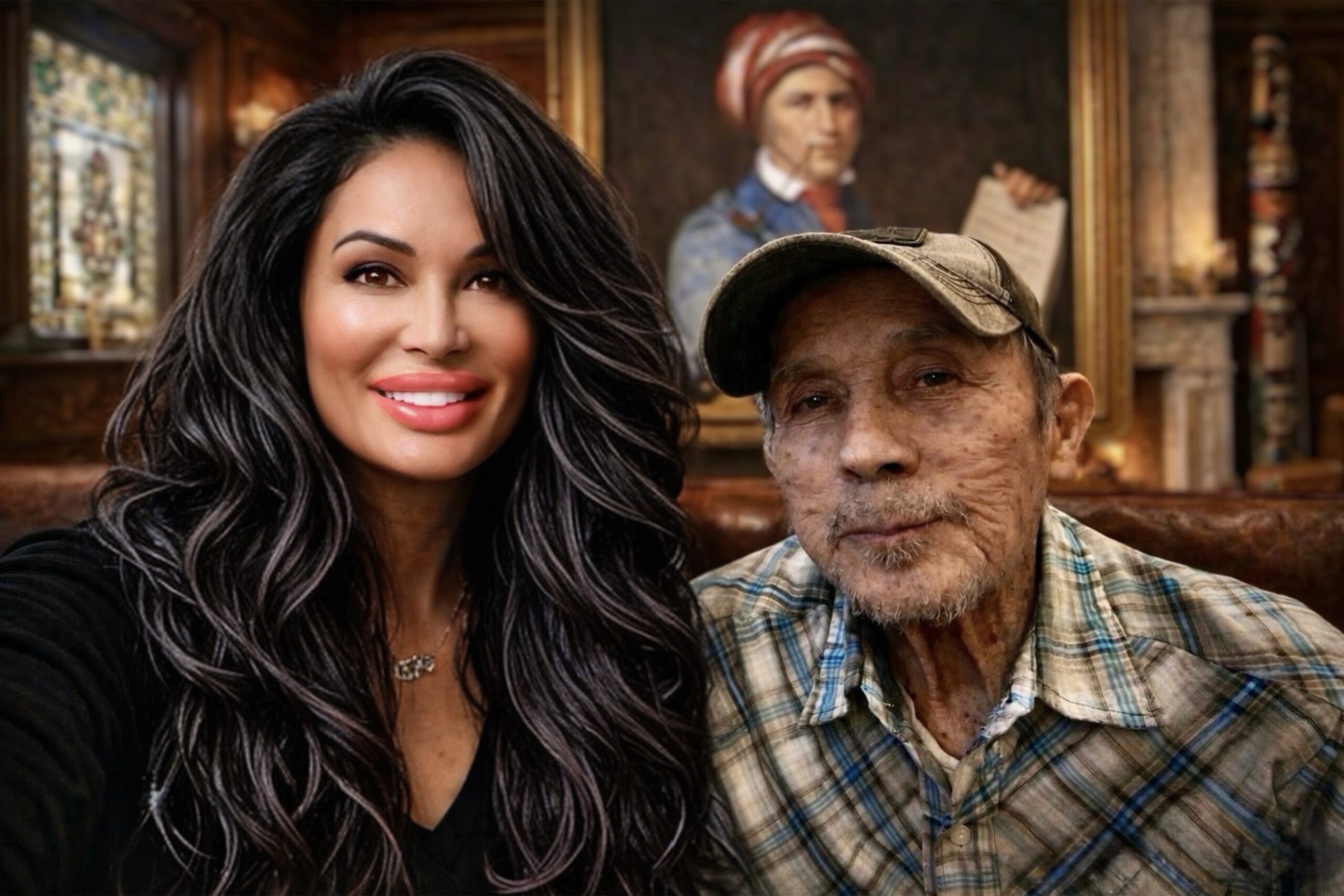
The death of Mack Vann at 88 years old marks the end of an extraordinary chapter in Cherokee history. While headlines may suggest the disappearance of an entire language, the true significance of his passing lies in the loss of one of the final people to speak Cherokee as his only language. His life represented a rare and deeply meaningful connection to generations of tradition, identity, and cultural memory.
Born and raised in Oklahoma, Vann grew up in an environment where Cherokee was the language of daily life. Although he was introduced to English during his early school years, he did not retain it and continued speaking only Cherokee throughout adulthood. This made him one of the last known monolingual Cherokee speakers, a distinction that carried enormous cultural importance.
More Than Words: A Living Cultural Bridge

For many within the Cherokee community, Vann was far more than a native speaker. He embodied the living continuity of a language that has survived generations of hardship. Languages carry more than vocabulary and grammar; they preserve the stories, beliefs, humor, customs, and worldview of the people who speak them. In that sense, Vann was a living bridge to the Cherokee Nation’s past.
What Was Lost and What Remains
His passing has drawn attention not because the Cherokee language has died, but because the world has lost one of its purest remaining voices. The Cherokee language is still spoken today by thousands of people, and there are active efforts to revitalize and preserve it through education programs, language immersion schools, and community initiatives. These programs are helping younger generations learn the language and keep it alive.
The Irreplaceable Role of Monolingual Speakers
Still, the death of a monolingual speaker represents something irreplaceable. Speakers like Vann hold an instinctive and deeply rooted understanding of the language in its most natural form. Their speech reflects expressions, nuances, and oral traditions shaped by generations before them. That level of authenticity cannot easily be recreated in classrooms or textbooks.
Resilience in the Face of Cultural Loss
His life also reflects the resilience of indigenous communities that have fought to preserve their languages despite centuries of cultural pressure, forced assimilation, and systemic efforts to erase native identities. For many Native American communities, maintaining ancestral languages is an act of survival as much as it is an act of heritage.
A Legacy That Moves Forward
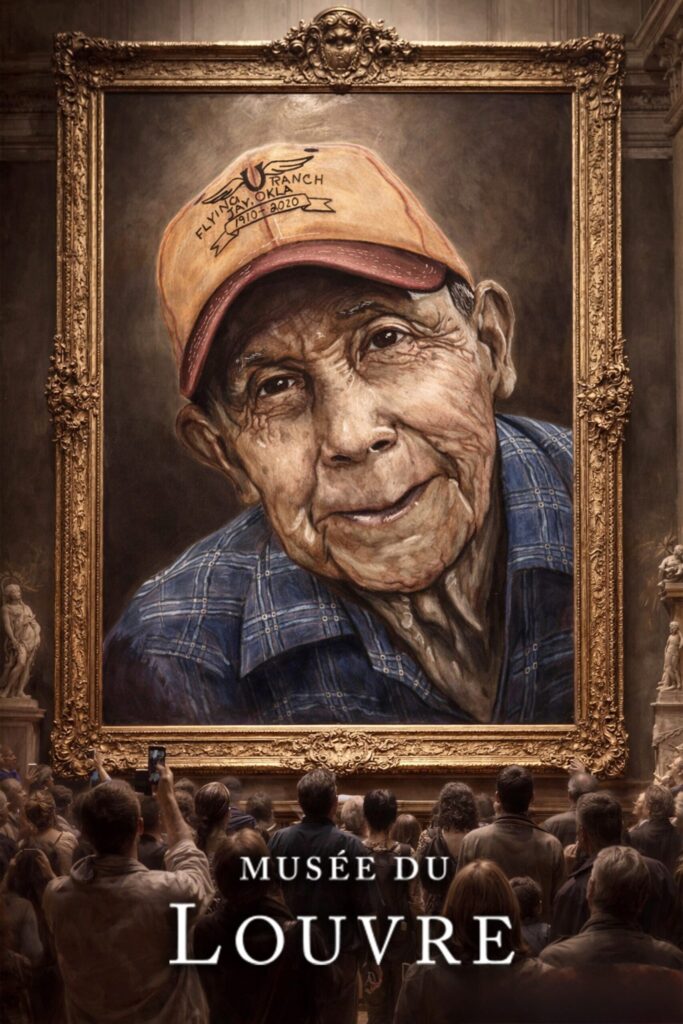
Mack Vann’s story serves as both a tribute and a reminder. It honors a man who carried an ancient language through his everyday life, and it reminds the world that preserving indigenous languages requires urgency, dedication, and respect. Each elder lost takes with them invaluable cultural knowledge, making the work of language preservation more important than ever.
Although the Cherokee language continues, Vann’s passing symbolizes the close of a living connection to an older world. He represented a generation whose first and only voice was Cherokee, and with his death, that era grows smaller.
His legacy now lives in the efforts of those determined to keep the language alive. The voice may be gone, but the language endures, carried forward by a new generation committed to remembering where it came from and ensuring it will not be forgotten.