Now Reading: Rachel Goldberg-Polin’s Los Angeles Appearance Brings Focus Back to October 7 as NYC Israel Parade Sparks Debate
-
01
Rachel Goldberg-Polin’s Los Angeles Appearance Brings Focus Back to October 7 as NYC Israel Parade Sparks Debate
Rachel Goldberg-Polin’s Los Angeles Appearance Brings Focus Back to October 7 as NYC Israel Parade Sparks Debate

The annual Israel Day Parade in New York City drew tens of thousands of supporters this past weekend, creating one of the largest public displays of solidarity with Israel in the United States. Yet despite the massive turnout, headlines quickly shifted toward the notable absence of New York City Mayor Zohran Mamdani, whose decision not to attend sparked widespread discussion across political and Jewish communities.
While media outlets debated the significance of the mayor’s absence, a powerful and deeply personal event unfolding in Los Angeles offered a reminder of why so many continue to rally in support of Israel and the families impacted by the October 7 attacks.
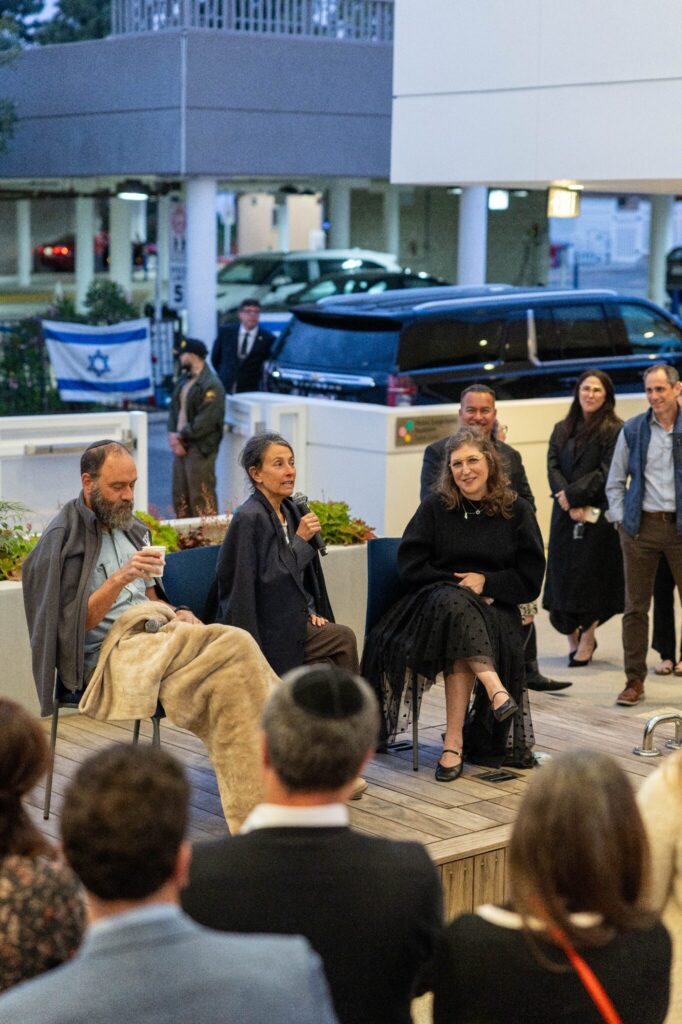
At Stephen Wise Temple, nearly 1,500 attendees gathered to hear Rachel Goldberg-Polin discuss her new book, When We Meet Again. Goldberg-Polin, whose son Hersh Goldberg-Polin became one of the most recognized victims of the October 7 Hamas attacks, has emerged as a global voice for remembrance, resilience, and the families forever changed by that tragic day.
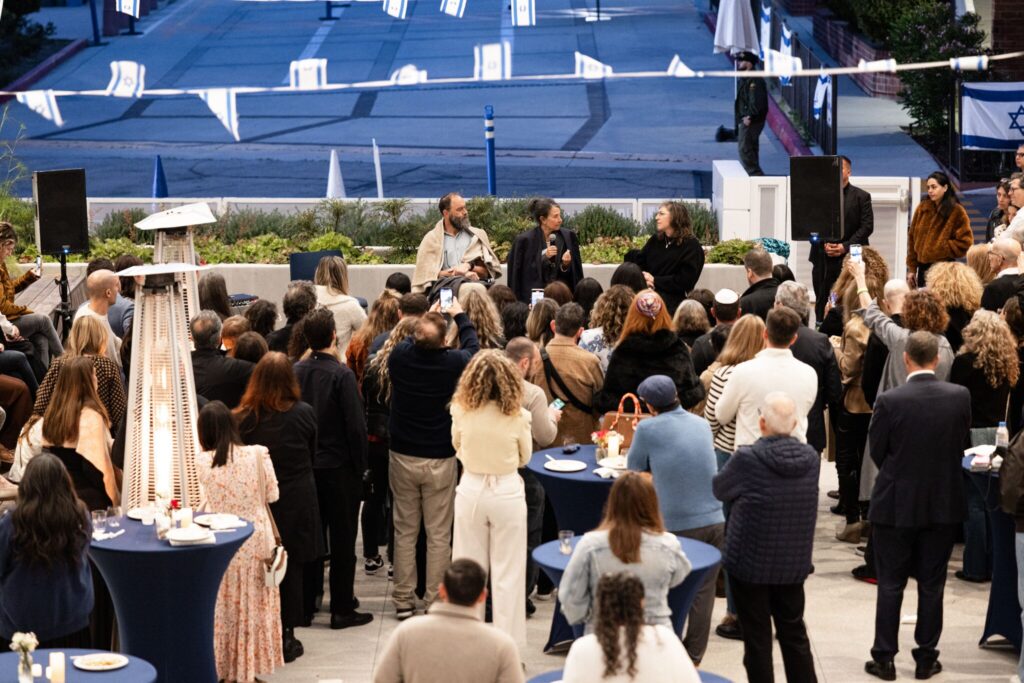
Photo Credit, Chase Hirt, Imaginaire Media LLC
The event, organized by Stephen Wise Temple in partnership with The Brigade, Maman Non-Profit, and the October 7th Coalition, drew community leaders, activists, entertainment executives, and supporters eager to hear Goldberg-Polin share her journey and discuss her New York Times bestselling memoir.
From the Israel Day Parade to a Message of Remembrance
The contrast between the two events could not have been more striking.
In New York, conversations largely focused on politics. The Israel Day Parade became intertwined with questions surrounding leadership, representation, and the ongoing debate over support for Israel in America.
In Los Angeles, however, the focus remained firmly on the human stories behind the headlines.
Rachel Goldberg-Polin spoke with extraordinary conviction about faith, grief, and the determination to keep her son’s memory alive. Her message resonated throughout the evening, serving as a powerful reminder that beyond political discourse are real families whose lives have been permanently altered by violence and loss.
For many attendees, the gathering represented more than a book launch. It became an opportunity to reflect on the continuing impact of October 7 and the importance of ensuring that those affected are not forgotten.
Mayim Bialik Moderates Intimate Conversation
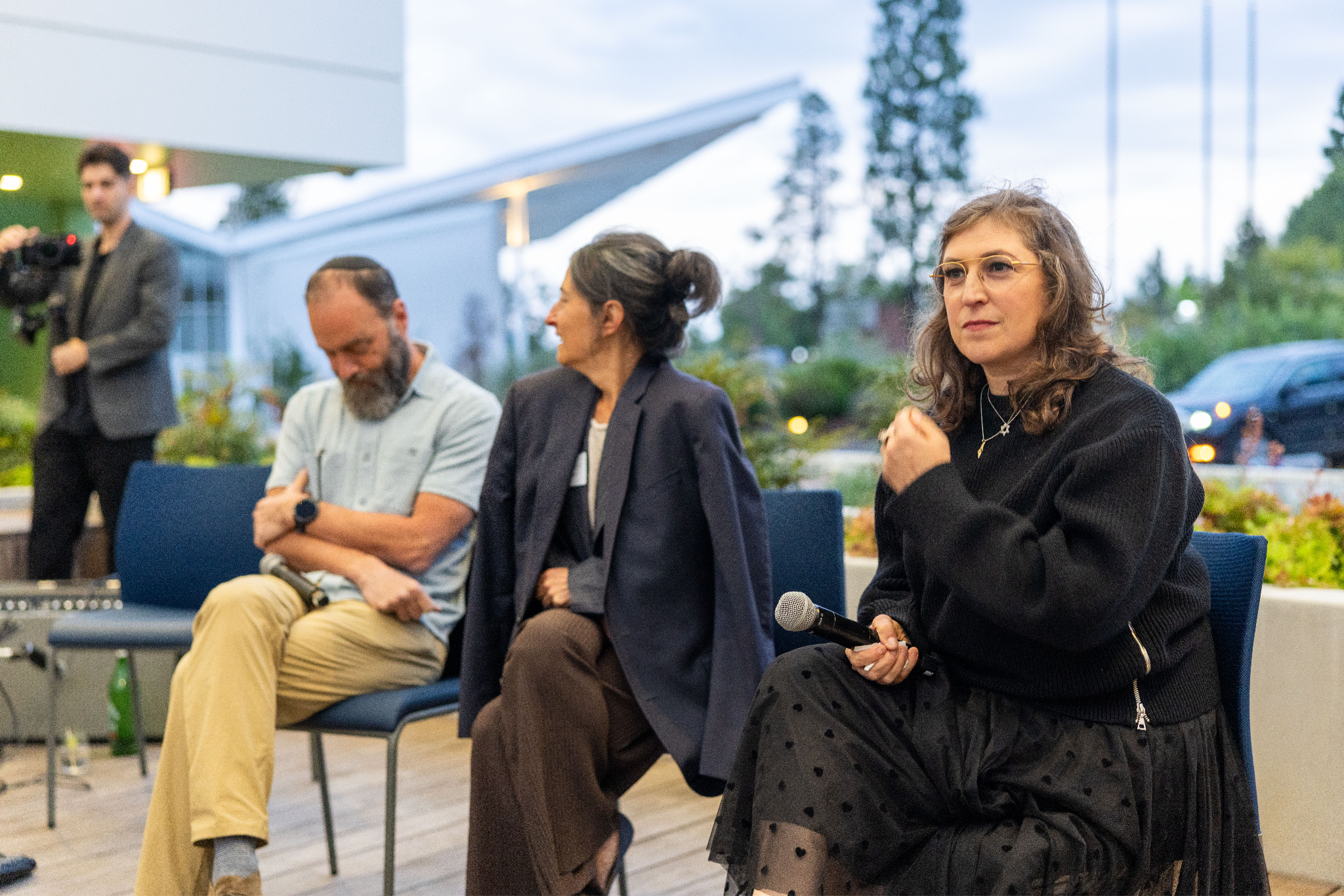
Following the main presentation, Goldberg-Polin and her husband, Jon Polin, participated in an intimate Q&A moderated by actress, producer, director, and neuroscientist Mayim Bialik.
The discussion offered guests a more personal look into the family’s journey over the past two years and the emotional process behind the creation of When We Meet Again.
As audiences listened, it became clear why Goldberg-Polin has become one of the most influential voices advocating for awareness of the October 7 victims. Her ability to speak about unimaginable pain while promoting hope and unity has inspired people around the world.
Why Rachel Goldberg-Polin’s Story Continues to Matter
As public conversations surrounding Israel become increasingly polarized, Goldberg-Polin’s message stands apart from politics.
Her story is rooted in family, memory, and the universal experience of love and loss. It serves as a reminder that behind every statistic, every news report, and every political debate are individuals whose lives have been forever changed.
That reality was felt throughout Stephen Wise Temple as attendees came together not to discuss political divisions, but to honor resilience and community.
The success of the event demonstrated that there remains a strong desire for conversations centered on empathy and understanding, particularly as the world continues to grapple with the aftermath of October
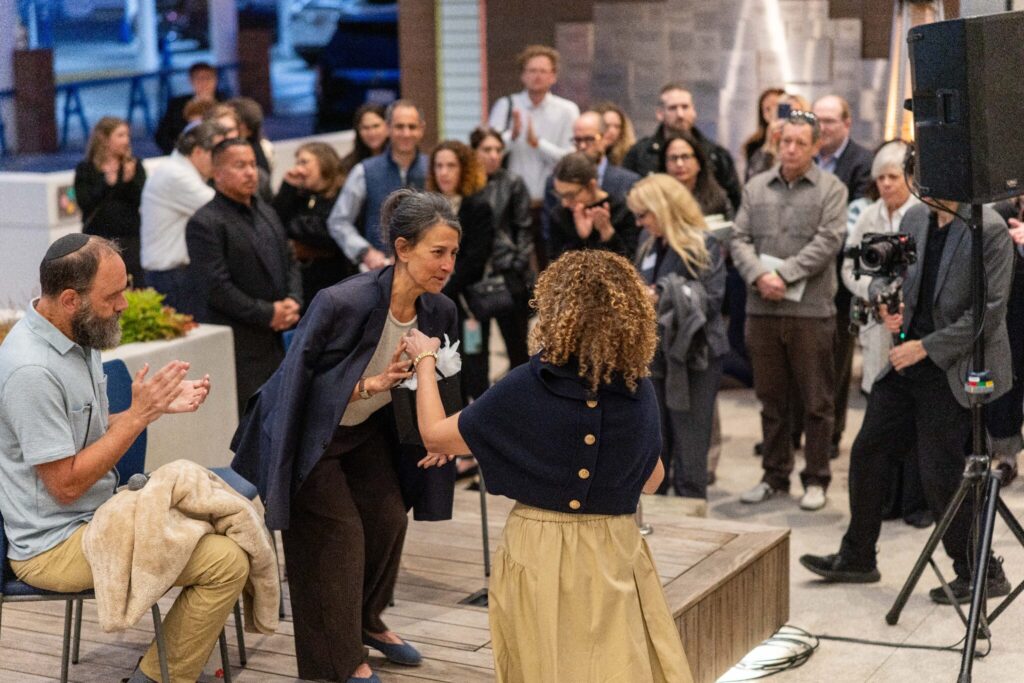
Jon Polin, Rachel Goldberg-Polin and Sara Raoof Jacobs
A Weekend Defined by Two Different Conversations
The weekend offered two very different snapshots of the current moment.
In New York City, attention centered on who was absent from the Israel Day Parade.
In Los Angeles, attention focused on a mother whose unwavering commitment to preserving her son’s story continues to inspire thousands.
While political debates will undoubtedly continue, Rachel Goldberg-Polin’s appearance at Stephen Wise Temple served as a powerful reminder that the human stories behind October 7 remain as important as ever.
And for many in attendance, that message was ultimately far more significant than any headline.