Now Reading: Why Slow Living Is Becoming the Ultimate Luxury Trend of Summer 2026
-
01
Why Slow Living Is Becoming the Ultimate Luxury Trend of Summer 2026
Why Slow Living Is Becoming the Ultimate Luxury Trend of Summer 2026

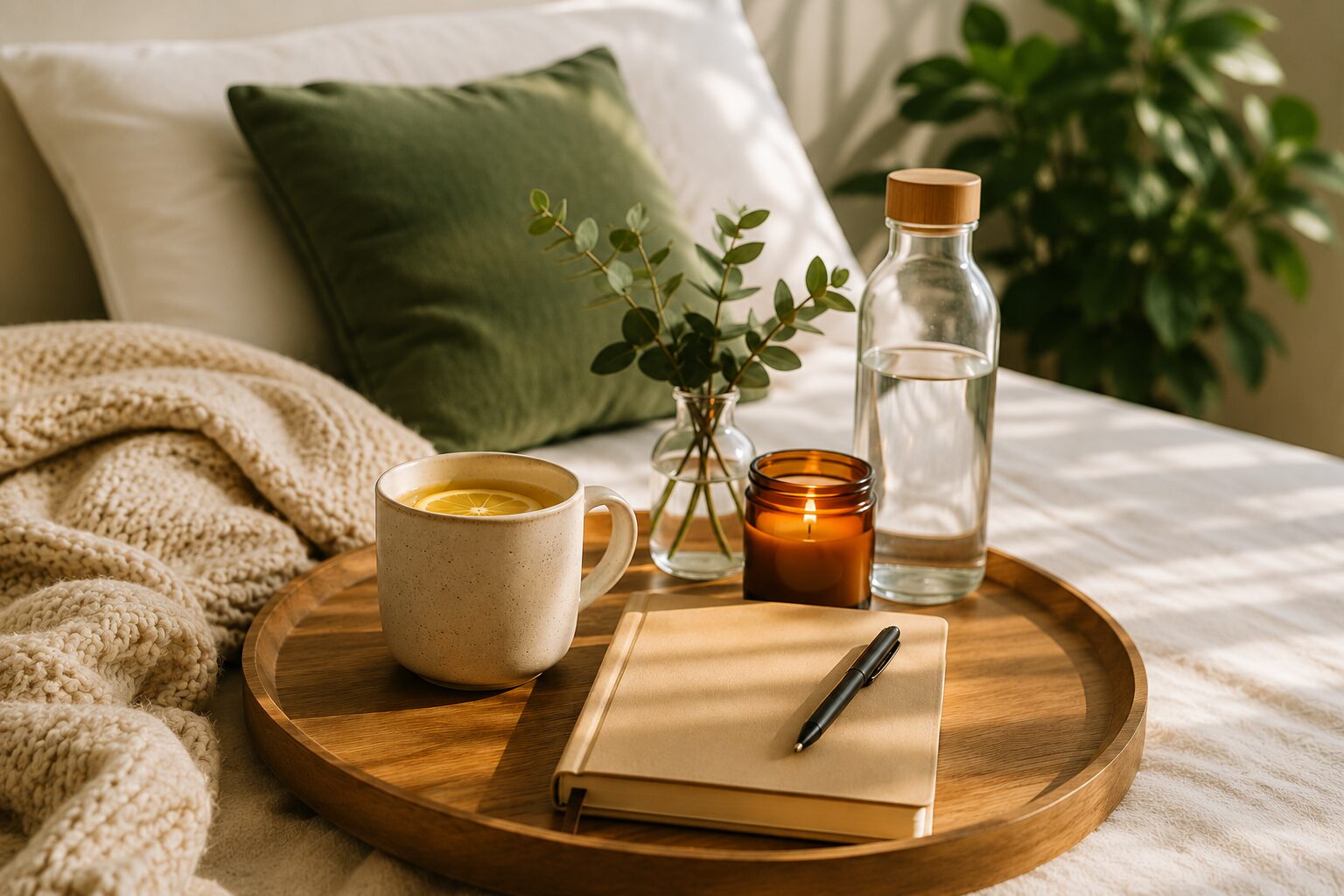
In a world where everyone seems constantly online, overbooked, and mentally exhausted, a new lifestyle trend is quietly taking over social media feeds, wellness spaces, and even luxury travel destinations: slow living. What once felt like a niche wellness concept has now evolved into one of the biggest lifestyle movements of 2026, especially among younger generations looking for balance, peace, and more intentional routines.
From curated morning rituals to digital detox weekends and cozy home aesthetics, slow living is no longer just about relaxing. It has become a full lifestyle statement.
The Rise of Intentional Living
Over the past year, platforms like TikTok and Instagram have been flooded with creators sharing soft, calming content focused on mindful routines, healthy meals, journaling, home cooking, and low-stress lifestyles. Instead of glamorizing hustle culture, many influencers are now embracing routines that prioritize mental wellness and emotional balance.
The trend reflects a cultural shift happening globally. People are becoming more selective about how they spend their time, who they spend it with, and even the type of content they consume online. Luxury today is no longer only about designer labels or extravagant vacations. More people now view free time, rest, and emotional stability as the real status symbols.
This shift has also influenced industries like fashion, beauty, wellness, and travel.
Fashion Is Becoming Softer and More Comfortable
The fashion world has fully embraced the slow living aesthetic. Linen sets, oversized silhouettes, neutral tones, and elevated basics are dominating summer collections in 2026. Instead of flashy statement pieces, consumers are investing in timeless staples that feel effortless but polished.
Celebrities and content creators have also helped popularize the movement by sharing more casual, relaxed looks that focus on comfort and simplicity. Matching lounge sets, natural fabrics, and minimalist accessories have become staples both online and offline.
The aesthetic is clean, soft, and intentionally understated.
Wellness Spaces Are Redefining Self Care
Self care in 2026 has moved far beyond skincare routines and spa days. Wellness now includes setting boundaries, reducing stress, protecting sleep schedules, and spending more time disconnected from screens.
Many people are replacing late night scrolling with activities like reading, pilates, nature walks, meditation, and cooking at home. Wellness clubs and boutique fitness studios are also adapting by offering more calming experiences focused on recovery rather than intensity.
Travel trends are shifting as well. Instead of packed itineraries, travelers are choosing slower experiences centered around wellness retreats, beach towns, countryside escapes, and boutique hotels that encourage relaxation.
Why Gen Z Is Leading the Trend
Gen Z has become one of the biggest driving forces behind slow living culture. After growing up in a hyper connected world, many young adults are actively searching for ways to create healthier relationships with technology and productivity.
For this generation, success is increasingly being defined by flexibility, emotional well being, and quality of life rather than nonstop work.
This mindset has made slow living feel aspirational rather than lazy.
The Future of Lifestyle Trends
As burnout continues to affect people across industries and age groups, experts predict that intentional living will continue shaping lifestyle trends throughout the rest of the decade.
Whether it shows up through fashion, wellness routines, home decor, or travel choices, the message behind the movement remains the same: people want to feel calmer, healthier, and more connected to their everyday lives.
And in 2026, that may be the ultimate luxury of all.