Now Reading: Met Gala 2026 Turned the Red Carpet Into a Living Art Gallery
-
01
Met Gala 2026 Turned the Red Carpet Into a Living Art Gallery

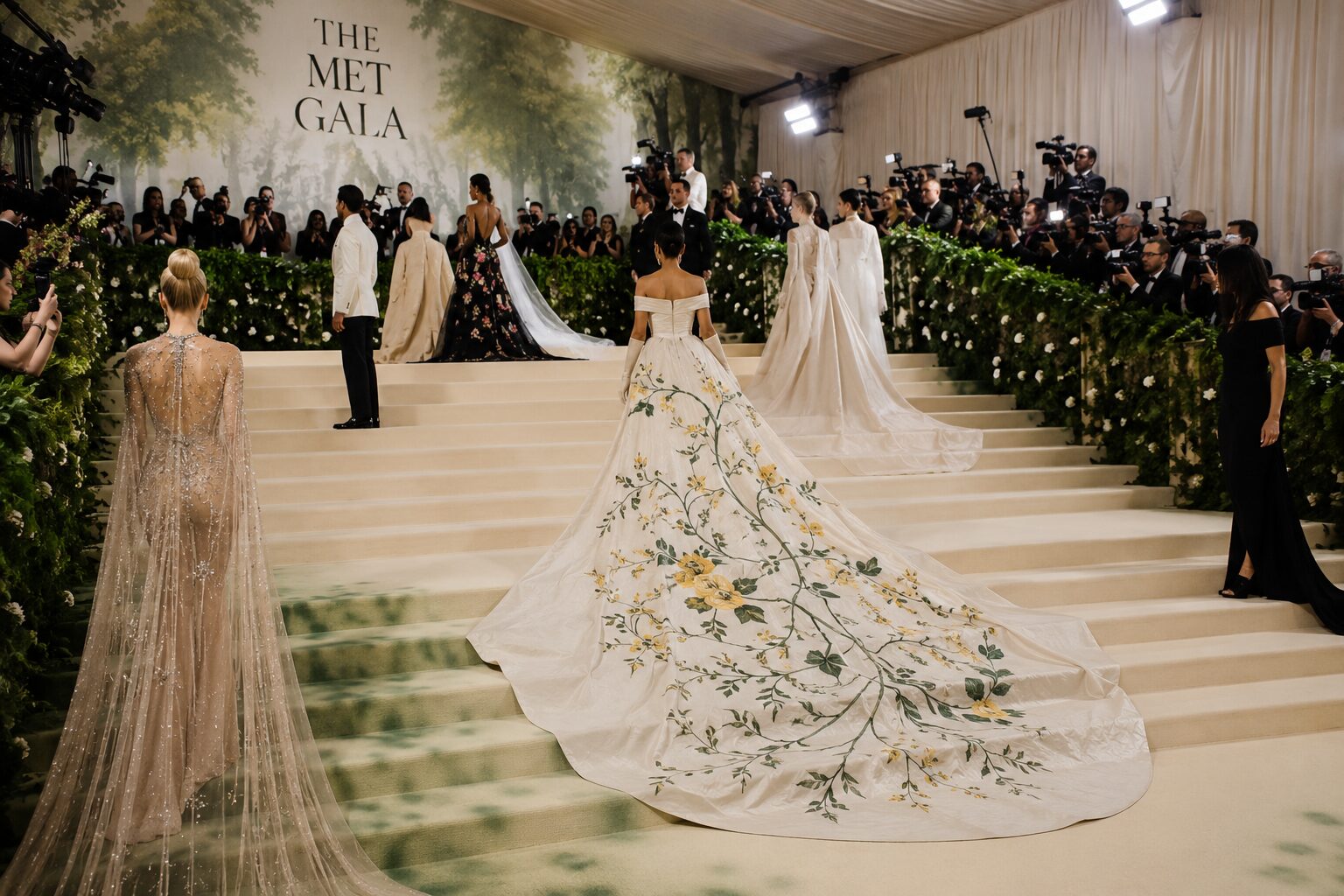
Every year, the Met Gala delivers unforgettable fashion moments, but the 2026 edition may have officially blurred the line between couture and fine art forever. Held at Metropolitan Museum of Art on May 4, the star-studded event embraced the theme “Fashion Is Art,” transforming the iconic staircase into what felt like a moving museum exhibit filled with dramatic silhouettes, sculptural gowns, and avant-garde beauty looks.
The annual fundraiser for the Costume Institute once again became the center of the fashion universe, attracting Hollywood’s biggest names, music icons, athletes, designers, and digital stars. This year’s Met Gala also reportedly raised a record-breaking amount for the museum, proving that fashion’s biggest night continues to dominate both culture and conversation.
Among the evening’s most talked-about arrivals was Beyoncé, who made a highly anticipated return to the Met Gala after nearly a decade away. Wearing an extravagant feathered gown designed by Olivier Rousteing, the global superstar instantly became one of the night’s defining fashion moments. Social media exploded within minutes of her arrival, with fans calling the look “museum-worthy.”
Meanwhile, Rihanna once again proved why she remains one of the Met Gala’s reigning queens. The singer and beauty mogul arrived in a dramatic Maison Margiela creation featuring exaggerated tailoring, layered textures, and a theatrical headpiece that perfectly matched the evening’s artistic direction. Her appearance immediately became one of the most shared celebrity moments online.
Another standout was Emma Chamberlain, who embraced the theme with a hand-painted couture look inspired by abstract expressionism. Fashion critics praised her willingness to fully commit to the concept rather than opting for a safer interpretation. Her beauty look, complete with artistic nail detailing and soft editorial makeup, added another layer to the visual storytelling.
One of the evening’s biggest surprises came from Bad Bunny, who reportedly wore a custom look connected to Zara, a rare move for an event traditionally dominated by luxury fashion houses. The choice sparked major discussion online, with many praising the singer for challenging fashion norms and bringing accessibility into one of the industry’s most elite spaces.
The red carpet itself felt more experimental than ever. Celebrities arrived wearing looks inspired by classical paintings, sculptures, surrealist art, and even museum architecture. Oversized shapes, metallic fabrics, hand-painted details, and couture pieces resembling installations became recurring themes throughout the night.
As expected, social media quickly divided its attention between the best dressed and the most controversial outfits. Some stars earned praise for pushing boundaries creatively, while others faced criticism for playing it too safe despite the bold artistic dress code.
Still, the overwhelming consensus online was that the 2026 Met Gala delivered one of the strongest fashion years in recent memory. In an era where celebrity style can sometimes feel repetitive, this year’s event reminded audiences why the Met Gala remains unmatched when it comes to spectacle, creativity, and cultural influence.
For one night, fashion stopped being just clothing and became performance art. And in true Met Gala fashion, the internet will probably be talking about these looks for months to come.