
Now Reading: Viktor Shokin and the Fight to Tell a Controversial Story
-
01
Viktor Shokin and the Fight to Tell a Controversial Story
Viktor Shokin and the Fight to Tell a Controversial Story

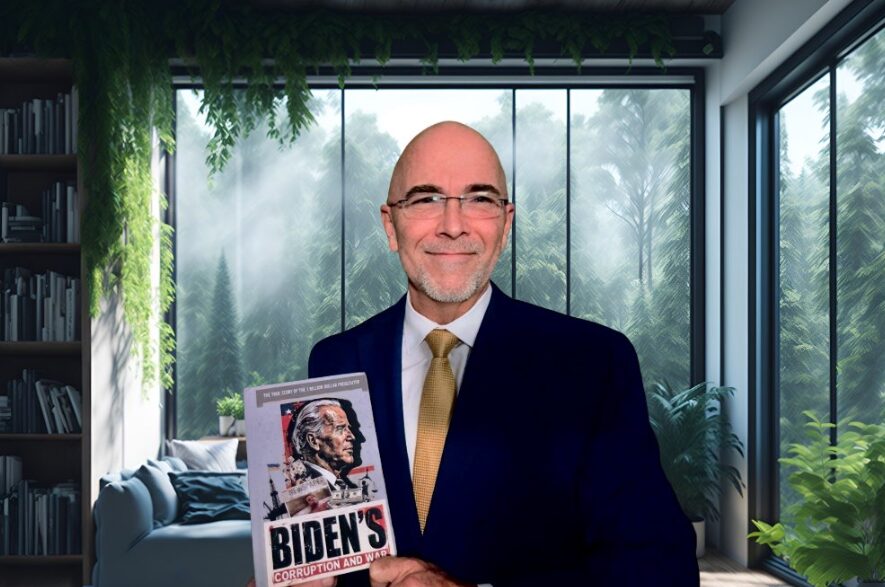
For Viktor Shokin, the publication of his memoir represents more than a literary milestone. It is, in his words, an attempt to reclaim his voice and present his personal account of one of the most debated political episodes involving Ukraine and the United States in recent history. His book, published by Beni Productions LLC, offers readers a firsthand perspective on his tenure as Ukraine’s Prosecutor General and the circumstances surrounding his departure in 2016.
Shokin’s career as a prosecutor spanned decades, built on a reputation for methodical investigative work during a turbulent era in Ukrainian politics. His role placed him at the center of sensitive corruption investigations and complex international relationships. According to his memoir, the turning point came when his office examined activities linked to Burisma Holdings, a major Ukrainian energy firm whose board included Hunter Biden. The situation gained global attention because Hunter Biden is the son of Joe Biden, who was serving as Vice President of the United States at the time.
Shokin alleges in his book that his investigations contributed to political pressure that ultimately led to his removal. He presents his dismissal not simply as a professional setback, but as a defining moment that altered his career and reputation. His memoir explores his belief that international political interests influenced internal Ukrainian decisions. While these claims remain the subject of ongoing debate and differing interpretations, Shokin emphasizes that his intention is to share his experience directly with readers so they can evaluate his account for themselves.
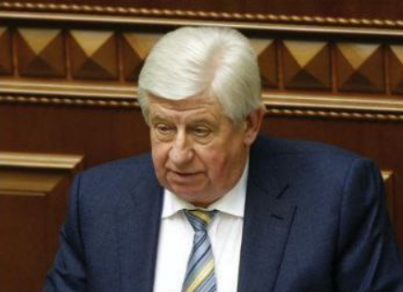
The process of bringing Shokin’s story to publication required extensive editorial work. His original manuscript, shaped by his Ukrainian background and legal experience, was adapted for an English-speaking audience while preserving the tone of his personal reflections. Editors worked carefully to present the narrative clearly, while also including references and contextual explanations to help readers unfamiliar with Ukrainian political structures understand the broader environment in which these events occurred.
For Shokin and his publishers, the book also reflects a broader mission. They believe that personal testimony can play a role in encouraging public discussion about government accountability and the importance of legal institutions. His memoir presents his perspective on how political systems function under pressure and how individuals working within those systems may face consequences when pursuing sensitive investigations.
Beyond recounting past events, Shokin’s story resonates within the larger context of Ukraine’s modern history. His life and career unfolded during a period marked by political transformation, international alliances, and national challenges. Today, as Ukraine continues to navigate ongoing conflict and uncertainty, his memoir adds another personal dimension to the complex narrative of the country’s recent past.
Shokin describes his motivation in simple but powerful terms. He wants readers, particularly American readers, to understand how decisions made at the highest levels of government can shape individual lives and international relationships. He frames his story not only as a political account, but also as a personal journey marked by professional dedication, controversy, and resilience.
Ultimately, Viktor Shokin’s memoir stands as a testament to the enduring impact of personal perspective. Whether readers agree or disagree with his conclusions, his story contributes to an ongoing global conversation about power, accountability, and the human experiences behind political headlines.