Now Reading: Denise Coulson and the Visionary Universe of The Center
-
01
Denise Coulson and the Visionary Universe of The Center
Denise Coulson and the Visionary Universe of The Center

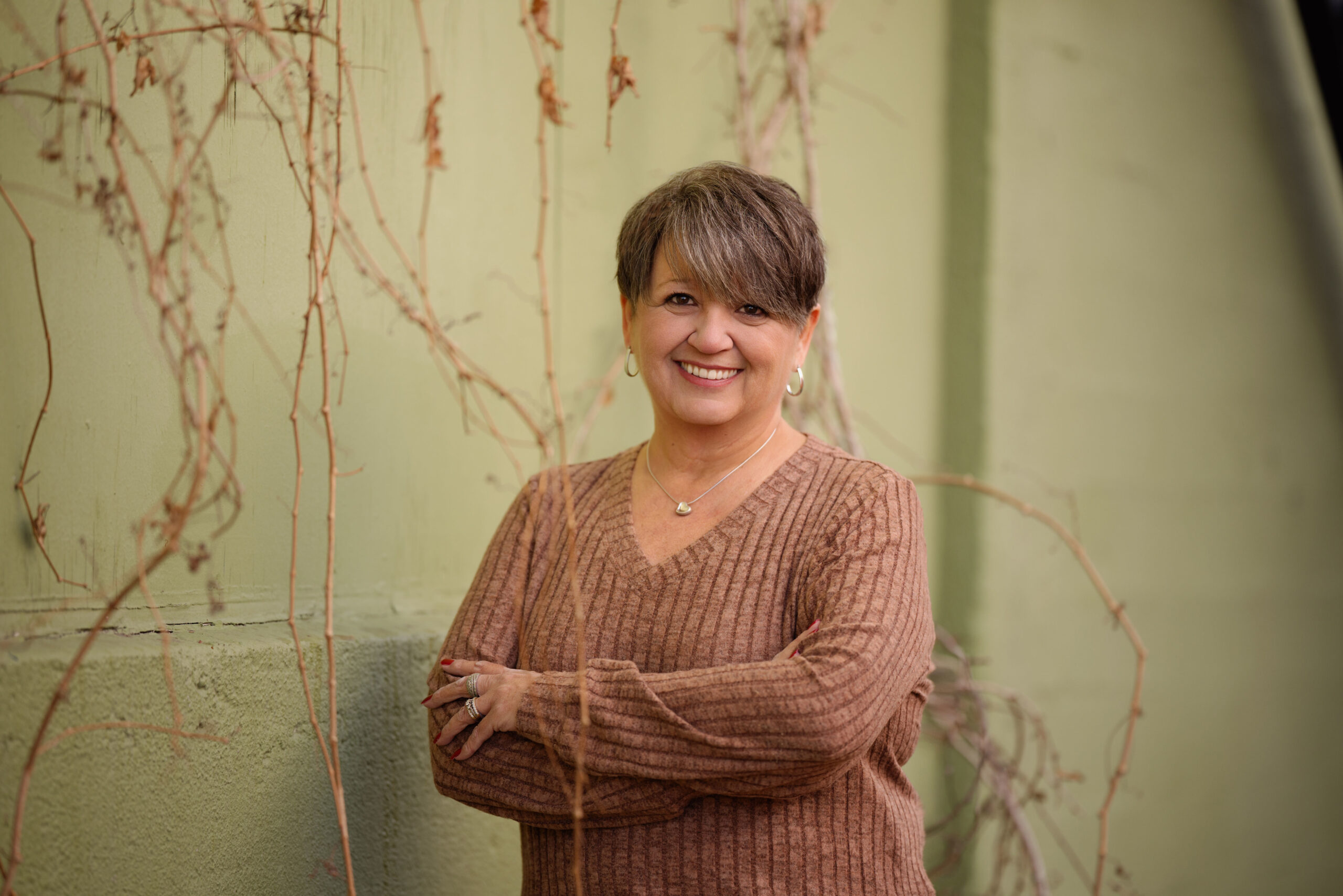
The idea for The Center emerged during a deeply challenging period in Coulson’s life. Confronted with devastating personal losses and a growing sense of despair as she watched societal division and global instability intensify, she found herself searching for meaning and direction. In that darkness, an unexpected spark appeared. While experimenting with an AI app one evening, Coulson encountered an image that stopped her in her tracks: a powerful, serene woman dressed in a deep green jeweled robe, radiating wisdom and compassion. That image became the emotional and symbolic catalyst for an entirely new universe.
By the next morning, the story had taken hold. Characters spoke to her with clarity, scenes unfolded uninvited, and a narrative centered on young scientists racing to preserve the essence of humanity began to form. Guided by the mysterious woman from the image, these characters confront a sobering truth: Earth itself may be beyond saving, but humanity is not. What followed was an intense, immersive creative experience that consumed Coulson’s daily life. The characters lived with her while she worked, dreamed, and moved through ordinary routines, demanding to be heard and written.

Coulson’s creative process is anything but conventional. She does not outline or write chapters in order, instead allowing intuition and imagination to dictate the flow. One day might bring Chapter 12, another a crucial conversation meant for Chapter 3. This organic approach, shaped by a childhood spent deeply immersed in imagination, gives The Center its emotional authenticity and fluid narrative structure. While unconventional, it allows the story to unfold naturally, guided by character voices rather than rigid structure.
One of the most demanding aspects of writing The Center came through research. Determined to ground her futuristic story in plausibility, Coulson immersed herself in scientific concepts ranging from ion thrusters and cryogenics to artificial intelligence and advanced energy systems. Though science had never been her strongest subject, she committed to making the world believable, enhancing the novel’s credibility and depth.
The greatest challenge arrived after the manuscript was complete. Navigating the publishing world proved daunting, but perseverance led her to a trusted editor and eventually to BLKDOG Publishing. Holding the physical copy of The Center for the first time marked a surreal and emotional milestone, confirming that the dream she had carried since childhood was now real.
At its core, The Center is a reflection on humanity’s fragile relationship with Earth and with one another. Blending science fiction with metaphysical philosophy, the novel urges readers to question how we live, what we value, and what kind of future we are creating. Coulson hopes the story inspires reflection, compassion, and a renewed sense of responsibility toward both the planet and future generations.
With The Center now expanded into an ongoing universe, including Recovery and the upcoming Invasion, Denise Coulson continues to write stories rooted in hope, imagination, and the belief that change is still possible, if we choose it.