Now Reading: The Soft Life Movement 2026: Why Slow Living Is the New Definition of Success
-
01
The Soft Life Movement 2026: Why Slow Living Is the New Definition of Success
The Soft Life Movement 2026: Why Slow Living Is the New Definition of Success

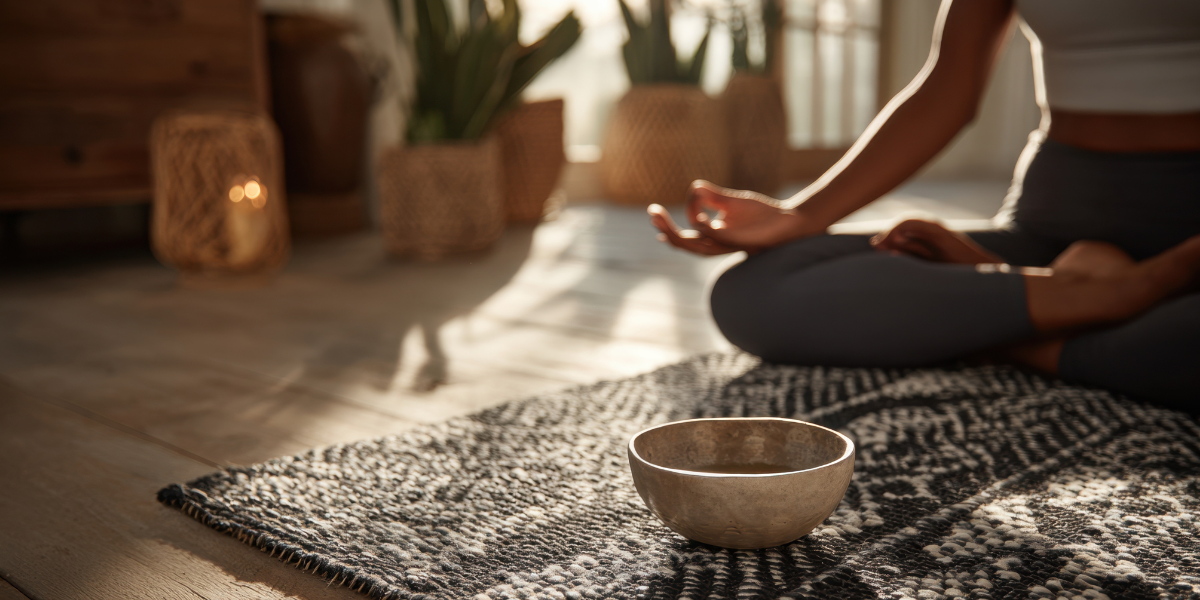
In 2026, the soft life movement has evolved from a social media aesthetic into a full cultural shift. What once looked like candles, neutral palettes, and slow mornings has grown into a deeper philosophy centered on peace, intention, and emotional wellbeing. As burnout becomes increasingly normalized, more people are consciously choosing a softer way of living.
For years, success was defined by productivity, long hours, and constant visibility. The soft life challenges that narrative by reframing success as balance. Having time to rest, mental clarity, and emotional stability is now seen as aspirational. Slow mornings, flexible schedules, and intentional routines are no longer indulgences; they are necessities.
This lifestyle shift shows up in everyday decisions. Homes are becoming calmer and more intentional, with an emphasis on light, minimal clutter, and comfort. Work culture is slowly changing as boundaries, remote options, and mental health awareness gain importance. Social lives are also evolving, favoring meaningful connections over overstimulation.
The soft life movement is not about laziness or lack of ambition. It is about choosing what matters. People are becoming more selective with commitments, relationships, and energy. Rest is seen as productive, and joy is no longer postponed for the future.
Brands are responding to this shift by focusing on wellness, slow fashion, and experiences rather than excess. Luxury is being redefined as quality, longevity, and emotional value rather than constant consumption.
At its core, the soft life movement reflects a collective desire for sustainability, not just environmentally, but emotionally. In 2026, slow living is no longer a trend. It is a statement that success should feel good, not just look impressive.